
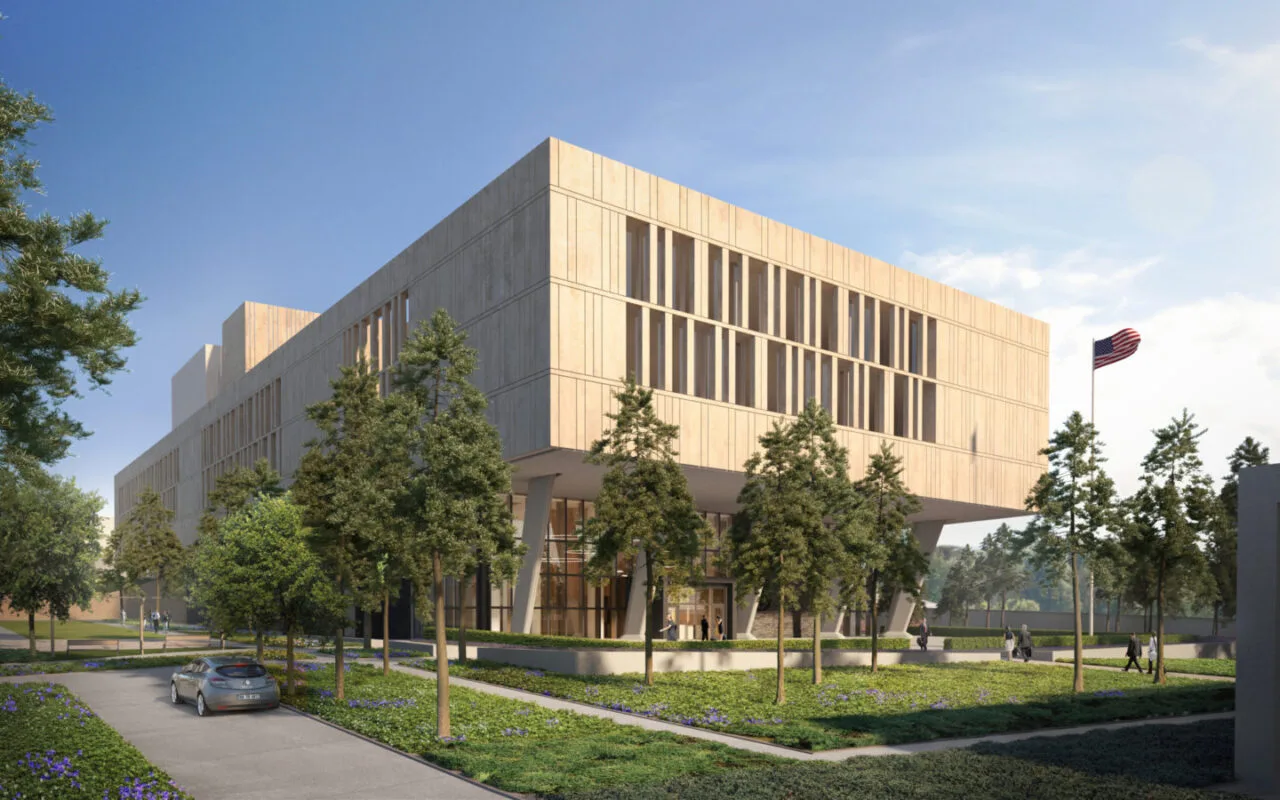
Turnkey Construction in Libya: Delivering Commercial, Industrial and Public Buildings
How turnkey construction works for commercial, industrial and public buildings in Libya, and what owners should define before appointing a single contractor to deliver a ready-to-use facility.
Turnkey construction in Libya gives project owners a straightforward proposition: one contractor takes the project from design coordination through construction and commissioning, and hands over a building that is ready to use. The owner receives the keys, the documentation and a working facility rather than a collection of separately managed packages.
For organizations building offices, accommodation, commercial premises, industrial facilities or public buildings in Libya, the model can remove much of the interface risk that slows projects down. It also places a heavy responsibility on the contractor, and on the owner to define clearly what "ready to use" means.
This article explains how turnkey building construction works, where it fits in the Libyan market, and what to look for in a building contractor in Libya. It is written by ZALA Global, an international construction group with a regional office in Benghazi.
What turnkey construction means
In a turnkey contract, the contractor is responsible for delivering a complete, functioning facility. Depending on the agreement, the scope can include:
- Design development and coordination of architectural, structural and building services design
- Permits and authority approvals
- Procurement of materials, equipment and furniture, fixtures and equipment where specified
- Construction of the building and all site works
- Installation of mechanical, electrical, plumbing, fire protection and IT systems
- Testing, commissioning and operational readiness
- Handover with as-built drawings, operation and maintenance manuals and training
Turnkey construction overlaps with design-build and EPC. The distinguishing feature is the end point: the contractor is not finished when the structure is complete, but when the facility is commissioned and accepted for use. Our guide to choosing an EPC contractor in Libya covers the closely related EPC model.
Building construction in Libya: where demand comes from
Building construction in Libya draws on several streams of demand.
Unfinished housing and public buildings. Oxford Business Group's 2024 report on Libya notes that around 300,000 housing units have been on hold since 2011, with completion held back by contractors' security concerns and difficulties securing finance.
Reconstruction. The joint World Bank, EU and UN assessment of the 2023 floods found that more than 18,500 homes were destroyed or damaged, about 7 percent of the country's housing stock, and that housing is the largest single component of reconstruction needs. Reporting in 2026 describes apartment blocks, schools and hospitals rising across eastern Libya under the Libya Development and Reconstruction Fund.
Energy and industry. The National Oil Corporation's 2025 bid round offered 22 exploration blocks, and the NOC is targeting production capacity of 2 million barrels per day by 2030. Upstream activity of this kind usually brings demand for operational buildings, workshops, warehouses and accommodation.
For owners, a turnkey model is often the most practical way to secure a complete facility when local supply chains and site management capacity are stretched across many projects.
Commercial construction and industrial construction: different priorities
A commercial construction company in Libya and an industrial construction company in Libya face different technical priorities, even when the contracting model is the same.
Commercial buildings
Offices, hotels, retail and mixed-use buildings are judged on finishes, building services performance and the user experience. Commercial construction requires close coordination between architecture, facade, interior fit-out and MEP systems, as well as careful sequencing so that finishing trades are not damaged by late services work. For hospitality projects specifically, see our article on hotel construction in Libya.
Industrial facilities
Warehouses, workshops, process buildings and utility structures are judged on functionality, durability and how well they integrate with equipment and operations. Industrial construction places more weight on heavy foundations, structural steel, floor loading, process utilities and fire protection, and on coordination with equipment suppliers whose installation drives the schedule.
Public and mission-critical buildings
Schools, hospitals, administrative buildings and secure facilities add requirements around life safety, accessibility, security and operational continuity. These projects often have fixed opening dates and little tolerance for incomplete systems at handover.
Managing turnkey construction in Libya
Turnkey construction succeeds when both parties are disciplined about scope and acceptance. In practice, that means:
- A clear employer's requirements document. Define performance, standards, finishes and equipment in writing. Vague requirements are the main source of turnkey disputes.
- Agreed design review points. The owner should review and approve the design at defined stages without taking back design responsibility.
- Integrated procurement. Long-lead items such as elevators, generators, HVAC plant and switchgear need early orders and tracked delivery.
- Quality and safety systems on site. QA/QC inspections and HSE controls should be visible and documented throughout construction.
- Planned commissioning. Commissioning, testing and training should be scheduled from the start, not left to the final weeks.
- Defined acceptance criteria. Handover should be measured against agreed tests and documentation, followed by a defects liability period.
Strong project controls make all of this possible. We cover them in more depth in our article on construction project management in Libya.
ZALA Global's turnkey building experience
Turnkey project delivery is one of the core capabilities of ZALA Global's construction and contracting services, alongside EPC and design-build. Our superstructure work spans commercial, administrative, residential, hospitality and institutional buildings, as well as mission-critical facilities.
- At the New U.S. Embassy Compound in Ankara, ZALA provided all labor, material and equipment for site preparation, geotechnical works, reinforced concrete buildings and stone cladding on a 37,000 m² site, and managed all aspects of the project including QA/QC and HSE.
- At Incirlik Air Base, Eagle Family Housing Phase III was a design-build of 44 military housing units, including all electrical, mechanical, architectural and landscaping work, with roads and community facilities.
- At Duqm Port in Oman, the scope included 17 operational and administration buildings within a 90-hectare port project.
- In hospitality, the group built the 17-storey Sheraton Grand Hotel in Adana, founded on 326 bored piles, and operates it under the Sheraton brand.
In Libya, ZALA Global has a regional office in Benghazi and initiated the Benghazi Hippodrome Project in 2025, an ongoing equestrian and mixed-use development that includes stables, a horse hospital, a museum, spectator areas, a hotel, a mosque, a shopping center and service buildings.
Frequently asked questions
What is the difference between turnkey and design-build?
Both place design and construction with one contractor. Turnkey contracts usually extend further, covering commissioning, equipment and operational readiness so that the owner receives a facility ready for immediate use.
Is turnkey construction more expensive?
The contract price may include a premium for the risk the contractor carries. Owners often recover that through fewer interface claims, a shorter overall program and a single point of accountability.
What types of buildings suit turnkey delivery?
Offices, accommodation, hotels, schools, healthcare facilities, warehouses and industrial buildings all suit turnkey delivery, particularly when the owner wants a fixed handover date and limited in-house project management.
How should owners choose a building contractor in Libya?
Look for comparable completed buildings, a credible procurement plan, proven QA/QC and HSE systems, commissioning experience and a local presence able to manage suppliers and approvals.
Start the conversation
If you are planning a commercial, industrial or public building and want to explore turnkey delivery, ZALA Global's construction team can help you define scope and delivery strategy. Contact us to discuss your project.
Work with us
Planning a project? Talk to our team.
Related articles
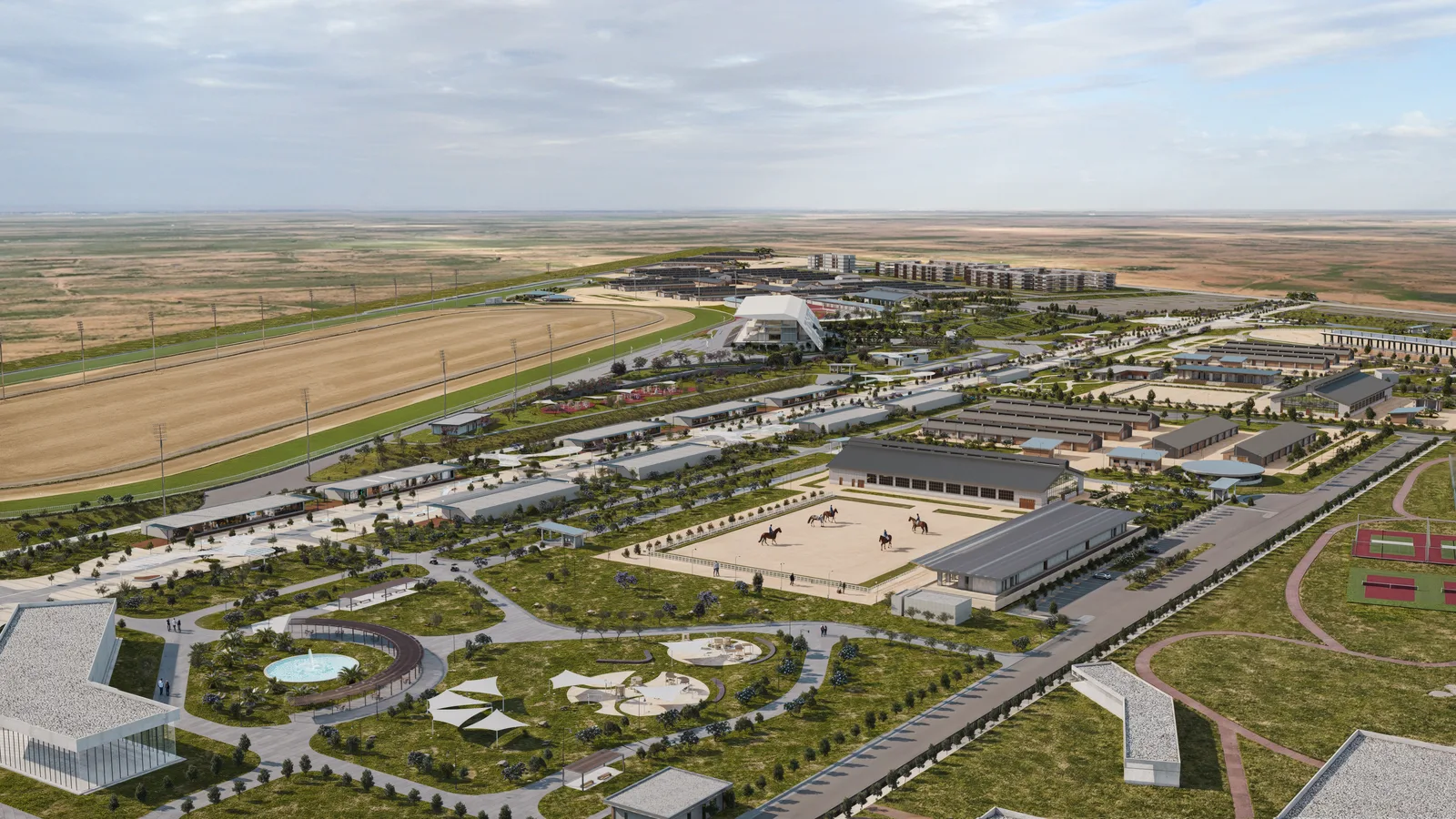
Construction Project Management in Libya: How to Keep Complex Projects on Schedule
A practical look at construction project management in Libya, from early planning and procurement to site controls, quality, safety and handover.
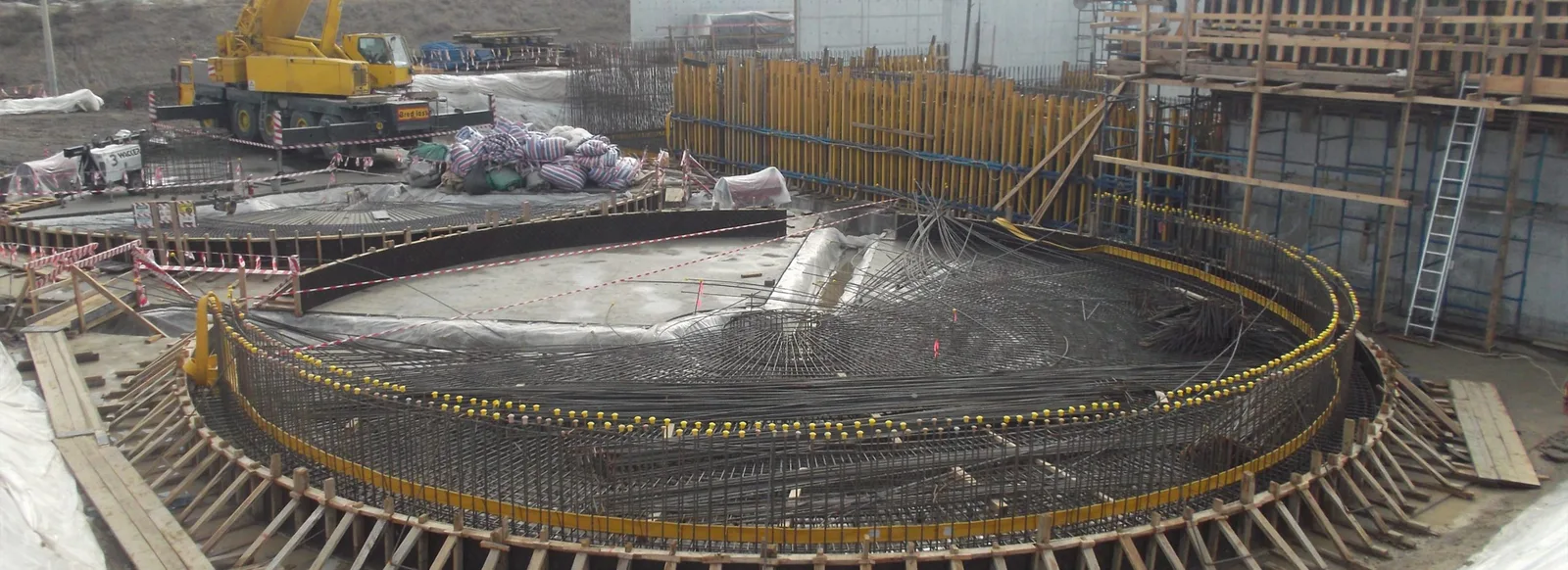
EPC Contractor in Libya: How Engineering, Procurement and Construction Work Together
A practical guide to EPC contracting in Libya: what single-point responsibility covers, where the risks sit, and what owners should ask before awarding an EPC contract.
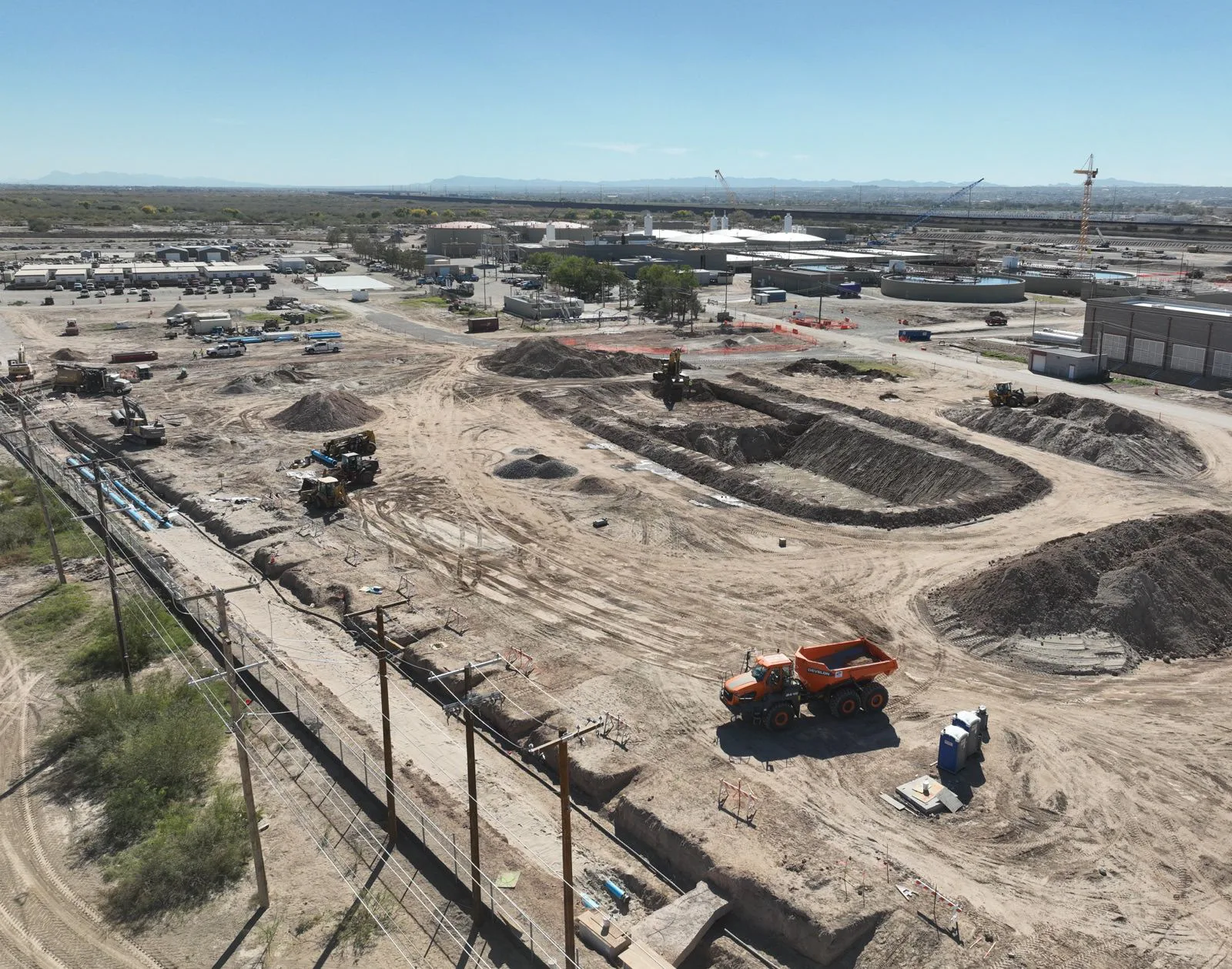
Infrastructure Construction in Libya: Roads, Water, Sewage and Utility Networks
Roads, water treatment, sewage and utility networks are at the center of Libya's recovery. Here is how infrastructure projects are delivered and what owners should expect from a contractor.