
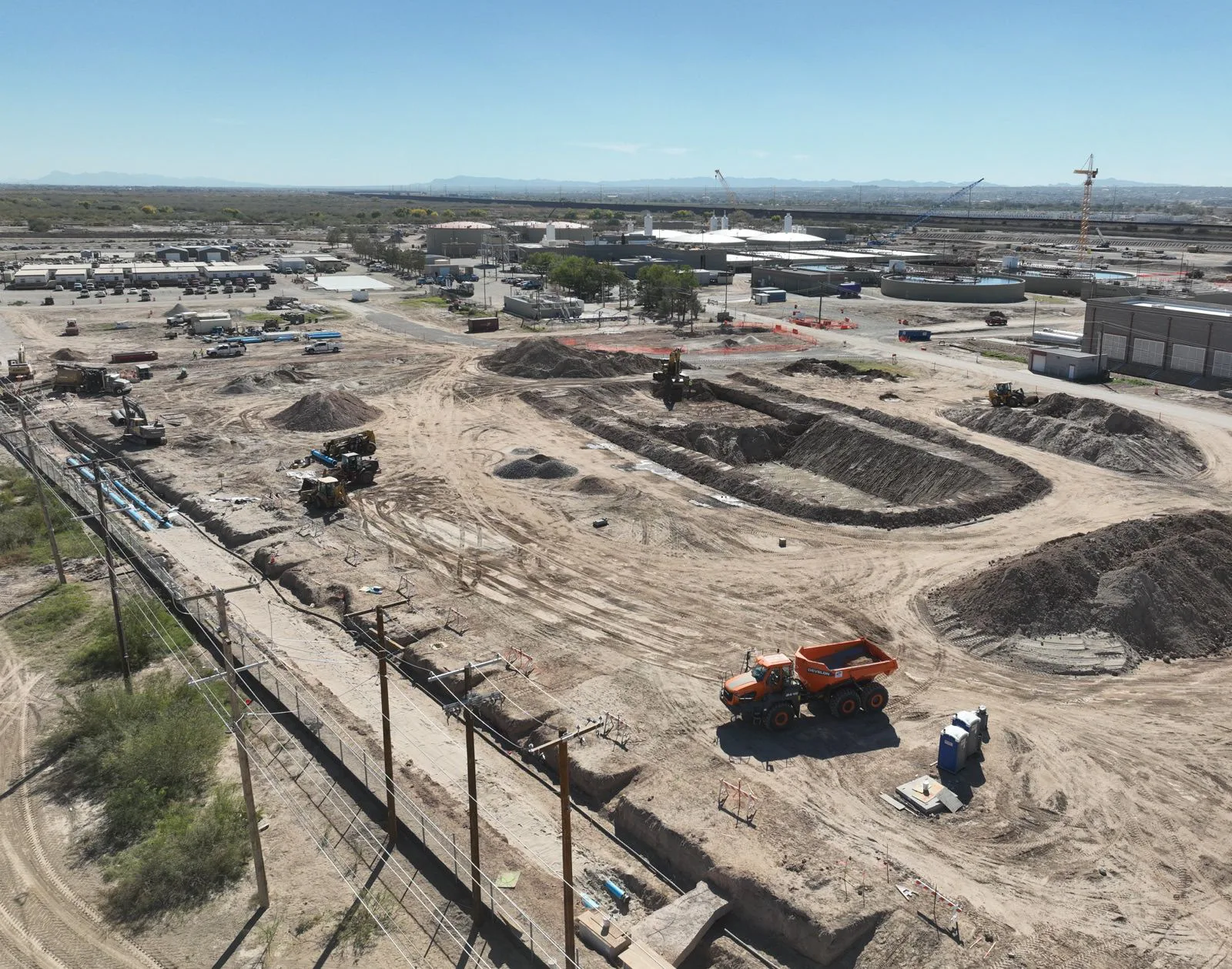
EPC Contractor in Libya: How Engineering, Procurement and Construction Work Together
A practical guide to EPC contracting in Libya: what single-point responsibility covers, where the risks sit, and what owners should ask before awarding an EPC contract.
An EPC contractor in Libya takes on a demanding promise: to engineer, procure and build a facility under a single contract and hand it over in working order. For owners, the attraction is clear. One party carries responsibility for design, supply and construction, and the owner deals with one point of accountability rather than managing the gaps between several.
That promise is only as good as the contractor's ability to keep it. EPC projects fail when engineering is rushed to meet a tender deadline, when procurement is treated as purchasing rather than a planned supply chain, or when construction teams discover on site that the design does not fit local conditions.
This article explains how the EPC model works, why it is gaining relevance for projects in Libya, and what owners should test when evaluating an EPC company in Libya. It is written from the perspective of ZALA Global, an international engineering and construction group with a regional office in Benghazi.
What an EPC contractor in Libya is responsible for
EPC stands for engineering, procurement and construction. Under an EPC contract, the contractor typically commits to deliver a defined facility for an agreed price and program, and to meet specified performance requirements at handover. The three phases overlap far more than the name suggests.
- Engineering turns the owner's requirements into a buildable design: site investigation, process and systems design, architectural and civil design, and the structural engineering that holds it all together.
- Procurement secures the equipment, materials and subcontractors the design calls for, including long-lead items that dictate the critical path.
- Construction executes the works on site, followed by testing, commissioning and handover.
The owner's role shifts from managing designers and builders separately to defining requirements clearly and verifying that they are met. That makes the quality of the owner's requirements document, and the contractor's understanding of it, central to the outcome.
Why EPC delivery matters for projects in Libya
Several parts of the Libyan market are generating the kind of complex, multi-discipline projects for which EPC is designed.
In oil and gas, the National Oil Corporation launched its 2025 bid round, offering 22 exploration blocks split between onshore and offshore acreage and described in industry reporting as the country's first major licensing push in 17 years. The NOC is targeting oil production capacity of 2 million barrels per day by 2030. New upstream activity of this kind typically brings demand for surface facilities, pipelines, camps and supporting infrastructure, all of which are commonly procured on EPC terms.
In power, reporting in 2026 pointed to strategic generation projects launched before 2011 that remain unfinished, an aging fleet requiring extensive maintenance, and annual demand growth outpacing new capacity. Completing and upgrading power infrastructure calls for contractors who can manage engineering, imported equipment and site work as one program. Our article on power plant construction in Libya looks at this sector in more depth.
In public infrastructure, the joint World Bank, EU and UN assessment of the 2023 floods found that around 70 percent of reconstruction costs relate to infrastructure, with transport and water among the most affected sectors. Water treatment, drainage and utility networks are classic candidates for integrated delivery. We discuss them in our guide to infrastructure construction in Libya.
Engineering: where most EPC risk is decided
Most EPC disputes trace back to engineering decisions taken early. A capable engineering company in Libya, or an international contractor working there, has to address a few recurring issues.
Site data before design
Geotechnical investigation, topographic survey and utility mapping should be completed before the design is frozen. Assumptions made to save time at tender stage often become the largest change orders later.
Structural design for local conditions
Structural design must account for local soil conditions, available materials and construction methods, as well as the loads and standards the owner specifies. A design that relies on materials that are difficult to source locally, or on construction techniques the available workforce has not used, transfers risk directly into the procurement and construction phases.
Standards and approvals
Many owners in Libya, particularly international organizations and energy operators, specify international codes. The engineering team must reconcile those codes with local authority requirements and make sure approvals are planned into the schedule.
Procurement and construction: integrating the supply chain
In an EPC contract, procurement is not a back-office function. It is the bridge between design and site. Effective EPC contractors:
- Identify long-lead equipment during early engineering and place orders as soon as specifications are firm.
- Qualify suppliers and subcontractors before award, with inspection and testing at source where needed.
- Plan shipping, port clearance and inland transport as part of the master schedule.
- Keep construction sequencing flexible enough to absorb late deliveries without idling the workforce.
- Run commissioning planning in parallel with construction, so systems can be tested and handed over in a logical order.
The construction phase then depends on disciplined site management: QA/QC inspections, HSE controls, progress measurement and change control that keeps the owner informed.
What to ask before appointing an EPC company in Libya
Before awarding an EPC contract, owners should ask each bidder to demonstrate:
- Comparable EPC or design-build experience, with clear descriptions of what the contractor engineered itself and what it subcontracted.
- An engineering plan that names the disciplines involved, the standards applied and the interface between structural engineering, systems design and construction.
- A procurement strategy for the specific project, not a generic statement.
- Local presence that can manage suppliers, labor and authority interfaces in Libya.
- Commissioning and handover experience, including operational readiness and documentation.
ZALA Global's engineering & construction experience
ZALA Global delivers projects through integrated turnkey, EPC and design-build models. Our construction and contracting capability covers concept development, design coordination, engineering, procurement, construction management, site execution, commissioning and operational readiness.
Our current EPC work includes EPC and infrastructure works in Saudi Arabia's Eastern Province, covering utilities and camp construction. Our design-build experience includes the JSS Shield project in Baghdad, a fast-track contract involving the complete design and construction of facilities and all associated utility infrastructure on a 10.5-hectare site inside an occupied, fully operational government compound. At Incirlik Air Base in Türkiye, the Eagle Family Housing Phase III project was a design-build of 44 military housing units to standards including NFPA, NEC, ASTM and applicable EU and TSE standards.
In energy, the group has hands-on experience constructing and operating its own power plants. Completed projects include the Kıyıköy wind power plant and several hydroelectric plants in Türkiye, experience that gives us an owner's view of what a facility needs at handover.
In Libya, ZALA Global maintains a regional office in Benghazi and initiated the Benghazi Hippodrome Project there in 2025.
Frequently asked questions
What does EPC mean in construction?
EPC stands for engineering, procurement and construction. It is a contracting model in which one contractor is responsible for designing, sourcing and building a facility, usually for an agreed price and program, and handing it over ready for operation.
Is EPC better than design-bid-build?
Neither is universally better. EPC suits projects where the owner wants single-point responsibility and can define performance requirements clearly. Design-bid-build suits owners who want full control of the design and have the capacity to manage the interface between designer and builder.
Who carries design risk under an EPC contract?
In most EPC contracts, the contractor carries responsibility for the design it produces, including structural design and systems engineering. The owner remains responsible for the accuracy of the requirements and any data it provides, so clear documents at tender stage are essential.
Does an EPC contractor in Libya need a local presence?
In practice, yes. Procurement, labor, approvals and logistics all depend on people who know the local market. Owners should confirm how a bidder will staff and support the project inside the country.
Discuss your project
If you are preparing an EPC tender or assessing delivery options for a project in Libya, ZALA Global's team can discuss scope, risk allocation and execution planning with you. Contact us to start the conversation.
Work with us
Planning a project? Talk to our team.
Related articles
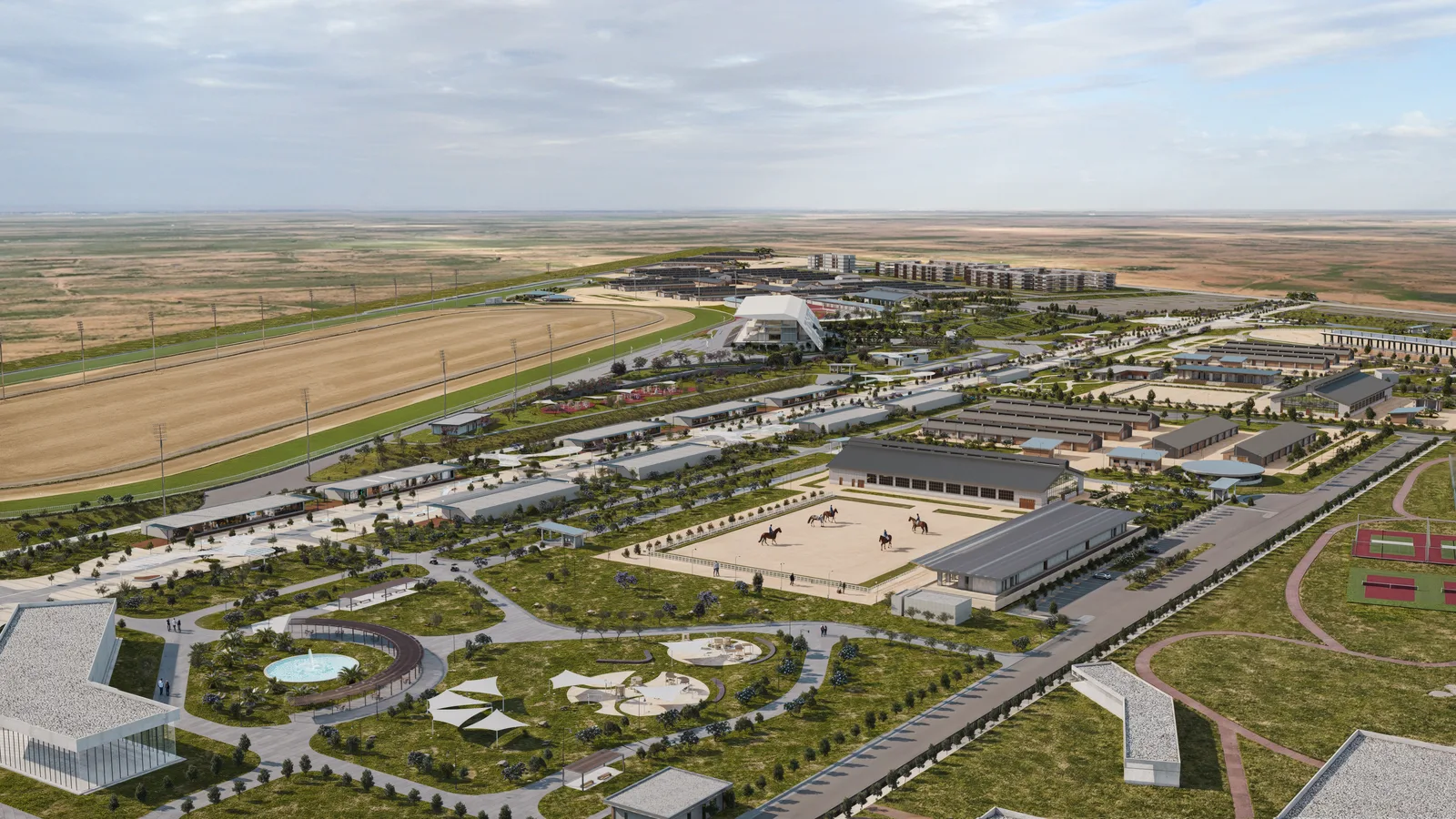
Construction Project Management in Libya: How to Keep Complex Projects on Schedule
A practical look at construction project management in Libya, from early planning and procurement to site controls, quality, safety and handover.
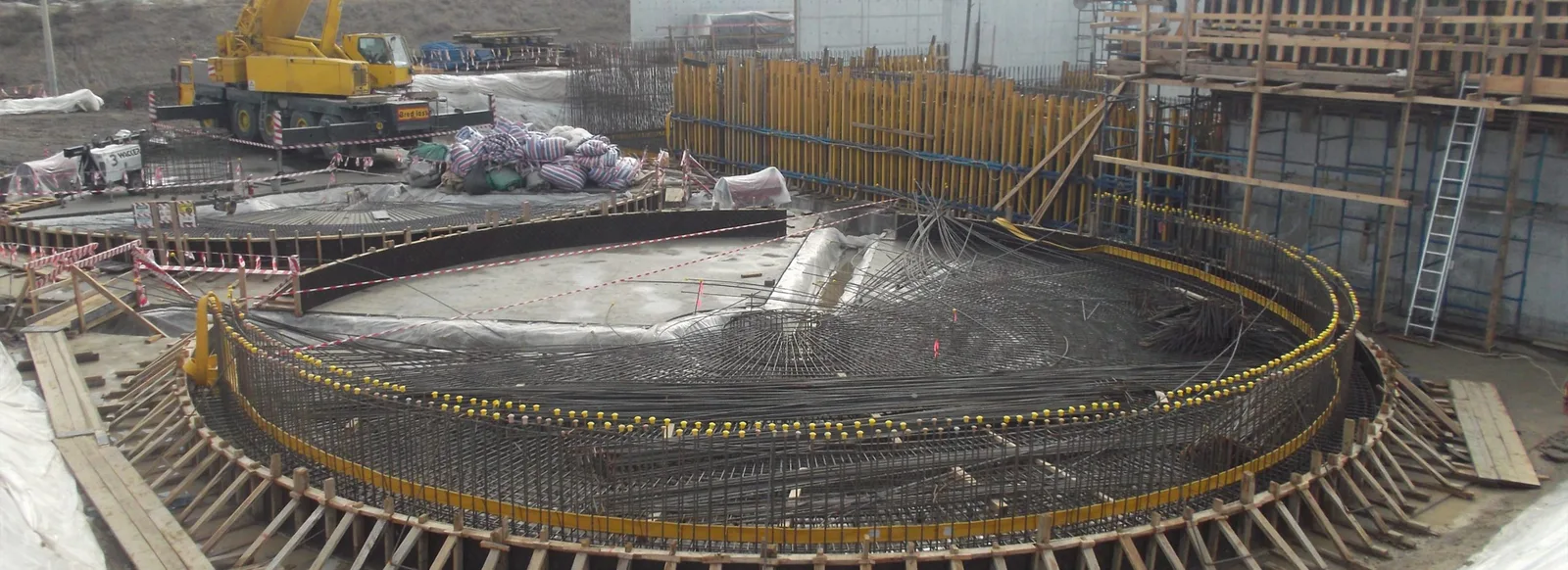
Infrastructure Construction in Libya: Roads, Water, Sewage and Utility Networks
Roads, water treatment, sewage and utility networks are at the center of Libya's recovery. Here is how infrastructure projects are delivered and what owners should expect from a contractor.

Turnkey Construction in Libya: Delivering Commercial, Industrial and Public Buildings
How turnkey construction works for commercial, industrial and public buildings in Libya, and what owners should define before appointing a single contractor to deliver a ready-to-use facility.