
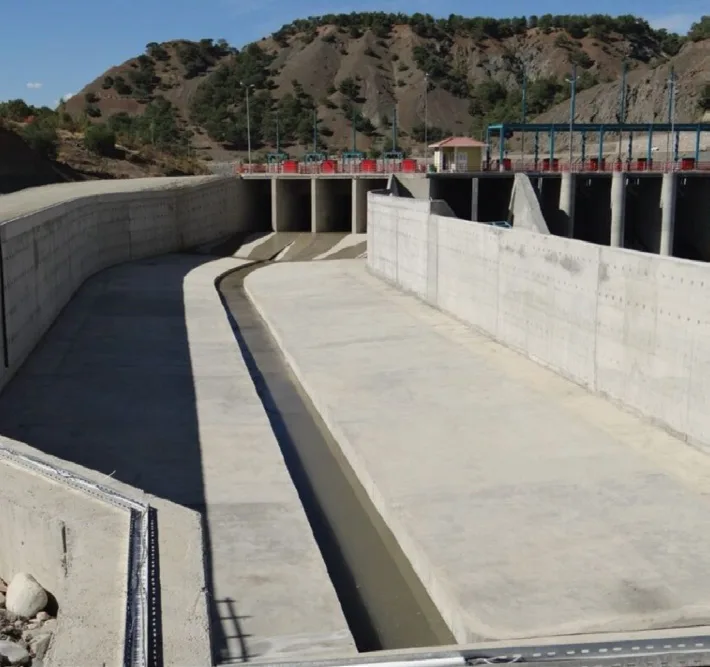
Power Plant Construction in Libya: Delivery, EPC and Long-Term Operation
How power plant construction in Libya is planned and delivered, from grid context and EPC structure to commissioning and long-term operation and maintenance.
Power plant construction in Libya sits at the center of the country's infrastructure agenda. Reliable electricity underpins everything else: water treatment, hospitals, housing, industry and the oil and gas sector itself. Yet Libya has faced a power production deficit for several years, and in peak periods demand has outstripped available generation.
For owners, investors and utilities, that creates a steady need for new capacity, rehabilitation of existing plants and reinforcement of the grid. It also raises the bar for contractors. A power plant contractor in Libya has to manage long equipment supply chains, demanding site conditions and strict commissioning requirements, and then support the asset for decades.
This article outlines the market context, how power projects are typically structured, and what to look for in an energy contractor in Libya.
The Libyan power sector at a glance
The national utility is the General Electricity Company of Libya (GECOL), a state-owned company whose responsibilities span generation, transmission and distribution through to retail supply. Its transmission network operates at 400 kV and 220 kV, with 66 kV and lower voltages for sub-transmission and distribution. Generation comes mostly from gas- and oil-fired plants, with renewables supplying only a small share.
Several features of the sector matter for anyone planning power plant construction in Libya:
- A persistent supply gap. Oxford Business Group reports that GECOL recorded a 3,200 MW shortage in July 2022, when available capacity was well below demand.
- New thermal capacity. In 2023, a contract was announced with a South Korean contractor for two gas-fired plants in the Mellitah and Misrata areas, illustrating the scale of investment in conventional generation.
- Regional interconnection. Libya is linked to the Egyptian grid through a line terminating in Tobruk, and to Tunisia, which supports system stability and power exchange.
- A growing role for renewables. In late 2025, the Renewable Energy Authority of Libya presented solar and wind projects totaling up to 850 MW to international investors. We cover this topic in our article on solar and renewable energy in Libya.
How power plant projects are structured
Most utility-scale projects follow one of three models.
- EPC (engineering, procurement and construction). A single power plant EPC contractor takes responsibility for design, equipment supply, construction and commissioning, usually at a fixed price and date. This gives the owner one point of accountability.
- Split packages. The owner buys major equipment (turbines, generators, transformers) directly from manufacturers and contracts civil works, balance-of-plant and installation separately. This can reduce cost but moves interface risk to the owner.
- Independent power producer (IPP) arrangements. A developer finances, builds and operates the plant and sells electricity to the utility under a long-term power purchase agreement. The 500 MW Sadada solar project, agreed in 2022 between TotalEnergies and GECOL within a framework involving the Renewable Energy Authority of Libya, shows international developers partnering with the national utility.
Whichever model applies, the scope of a power plant contractor in Libya usually includes site preparation, foundations, buildings, cable and pipe routes, switchyards and connections to the grid, together with temporary facilities for the workforce.
Key phases of power plant construction in Libya
Site and civil works
Civil works set the pace. Geotechnical investigation, earthworks, foundations for turbines and transformers, drainage and access roads must be complete before major equipment arrives. Errors here are expensive to correct once heavy equipment is installed.
Equipment logistics
Large equipment items are imported, often as heavy or out-of-gauge loads. Port handling, route surveys, customs clearance and on-site storage need detailed planning. A single delayed transformer can hold up energization.
Erection, testing and commissioning
Mechanical and electrical erection is followed by pre-commissioning checks, cold and hot commissioning, reliability runs and performance testing. Commissioning in Libya also involves close coordination with the grid operator for synchronization and protection settings.
Workforce support
Power plants are often built away from city centers. Accommodation, catering, transport and site services for the construction workforce are part of the delivery plan, not an afterthought. ZALA Global provides these services through its life support and base operations business.
Power plant O&M in Libya
Building a plant is only the start. Power plant O&M in Libya determines whether the asset delivers its design output over its life. Effective O&M combines:
- Preventive maintenance planned around seasonal demand peaks.
- Spare parts strategy that accounts for long import lead times.
- Condition monitoring and performance tracking against design benchmarks.
- Training and gradual transfer of skills to local staff.
A power plant operator in Libya must also plan for fuel supply and grid conditions that can change at short notice. The owner benefits when the contractor that built the plant understands how it will be operated.
Choosing a power plant contractor in Libya
Owners comparing bidders should look beyond the headline price. The questions that matter most are practical:
- Lifecycle experience. Has the contractor built and also operated power plants, or only built them?
- Civil and balance-of-plant capability. Can it self-perform foundations, buildings, roads, drainage and utilities, or will these be subcontracted?
- Logistics planning. Does the bid include a credible plan for importing, transporting and storing major equipment?
- Site support. Can the contractor house, feed and move its workforce at a remote site without relying on the owner?
- Quality and safety systems. Are QA/QC and HSE plans specific to the project, with named responsible staff?
- Local presence. Does the contractor have an established base in the country to manage permits, suppliers and labor?
A contractor that answers these questions convincingly is far more likely to deliver on schedule than one that competes on price alone.
ZALA Global's experience in energy
ZALA Global develops, builds and operates energy assets, with its activities focused on renewable and sustainable generation. The group entered the energy sector in 2012 with hydro and wind power investments, and its completed projects in Türkiye include the Kıyıköy Wind Power Plant and the Gemciler, İncirli and Saray hydroelectric power plants.
Because the group has built and operated its own power plants, it approaches projects with an owner's view of the full lifecycle: development, engineering coordination, construction, commissioning, operation and long-term performance management. Its energy capabilities include EPC and construction coordination, as well as operation and asset management.
For projects in Libya, that experience is supported by the company's regional office in Benghazi and its wider construction record, which includes utilities, fuel storage and infrastructure works for government and military clients in demanding environments.
Frequently asked questions
Who owns and operates the power grid in Libya?
The General Electricity Company of Libya (GECOL), a state-owned utility, is responsible for the national power system, from generation and transmission to distribution and retail supply.
What does a power plant EPC contractor in Libya typically deliver?
Design, procurement of equipment, construction, testing and commissioning, usually under a single contract with guaranteed completion and performance. Some contracts also include an initial O&M period.
What types of power plants are being built in Libya?
Most capacity is gas- and oil-fired, and new thermal plants continue to be contracted. Solar and wind projects are being promoted by the Renewable Energy Authority of Libya and the national utility.
Can construction and O&M be contracted together?
Yes. Combining construction with an operation and maintenance contract keeps knowledge of the plant within one team and simplifies warranty management during the first years of operation.
Discuss your energy project
If you are planning power plant construction in Libya, from new renewable capacity to supporting infrastructure, contact ZALA Global to discuss delivery and long-term operation.
Work with us
Planning a project? Talk to our team.
Related articles
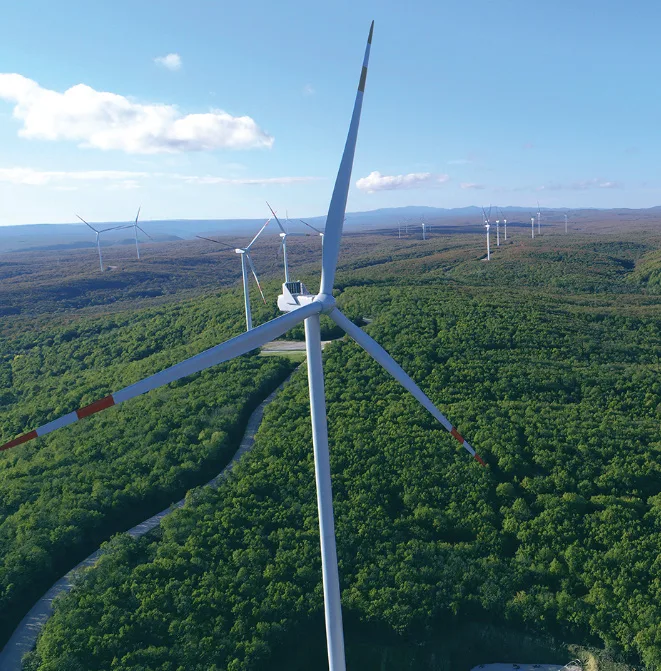
Solar Power Plant Contractor in Libya: Building the Country's Renewable Future
Libya has an exceptional solar resource and a growing renewable pipeline. Here is how solar and wind projects are delivered and what to look for in a contractor.
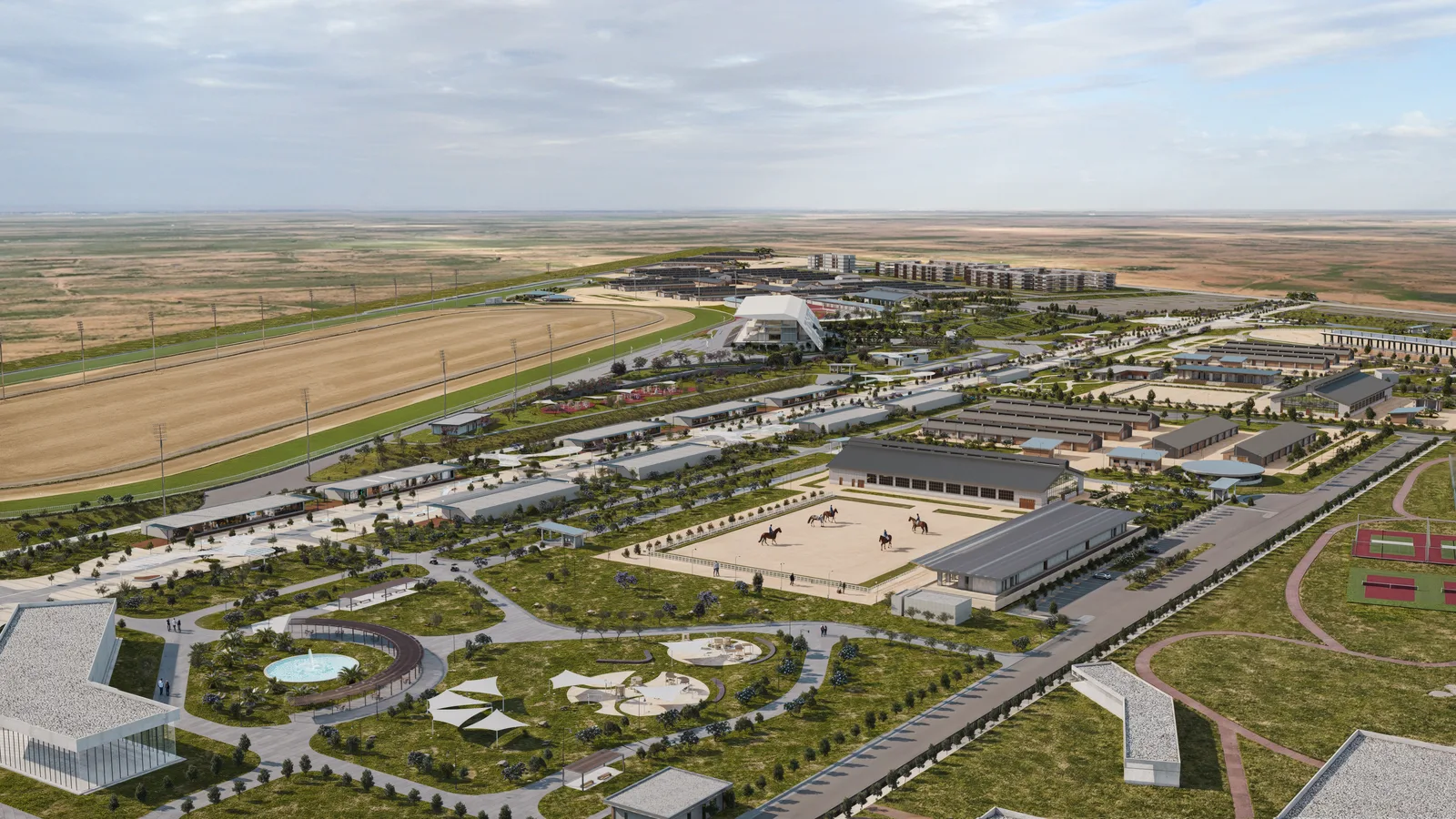
Construction Project Management in Libya: How to Keep Complex Projects on Schedule
A practical look at construction project management in Libya, from early planning and procurement to site controls, quality, safety and handover.
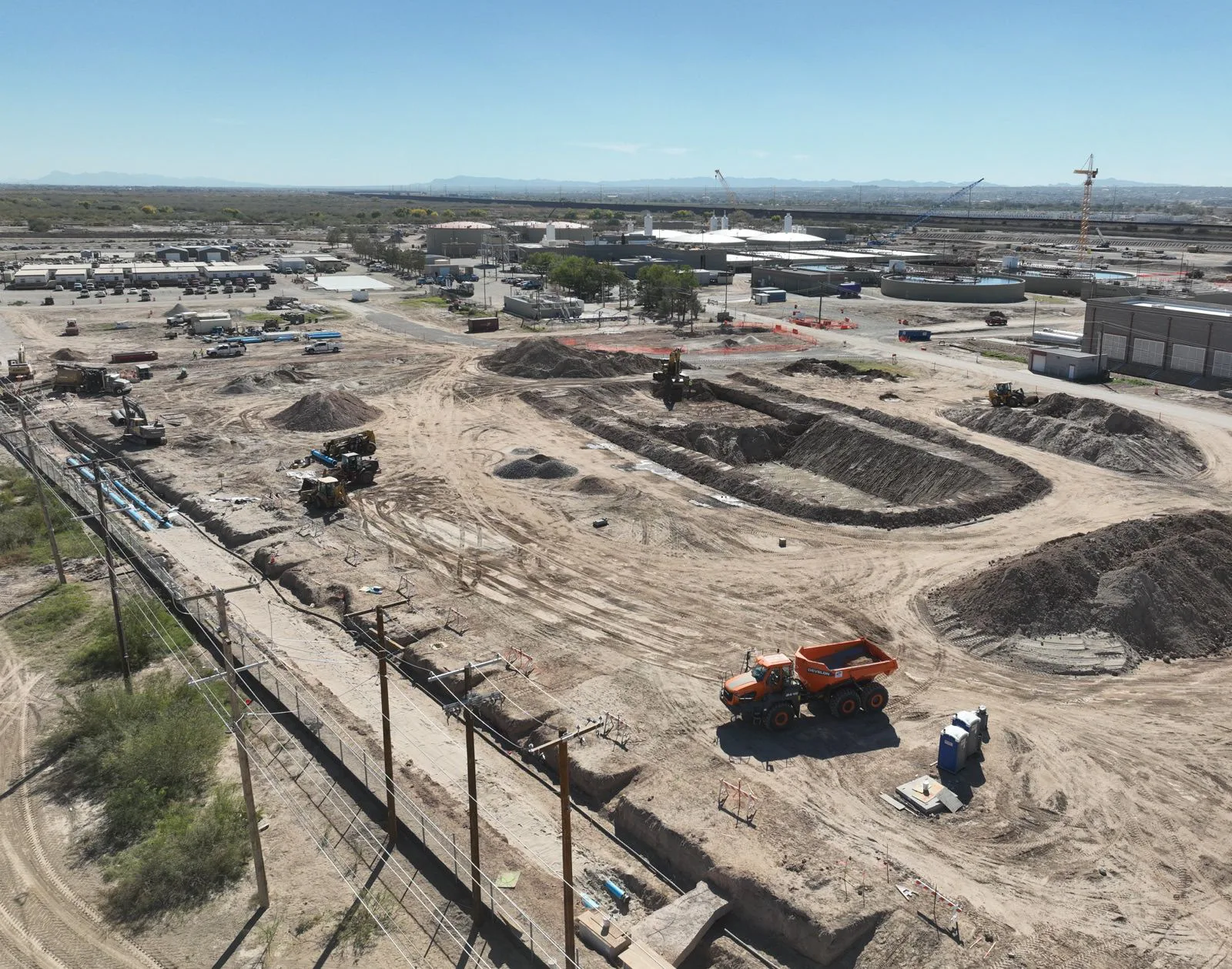
EPC Contractor in Libya: How Engineering, Procurement and Construction Work Together
A practical guide to EPC contracting in Libya: what single-point responsibility covers, where the risks sit, and what owners should ask before awarding an EPC contract.