
Solar Power Plant Contractor in Libya: Building the Country's Renewable Future
Libya has an exceptional solar resource and a growing renewable pipeline. Here is how solar and wind projects are delivered and what to look for in a contractor.
Choosing a solar power plant contractor in Libya is a decision about the next twenty-five years, not the next eighteen months. A solar plant that is well designed and well built will deliver predictable output for decades. One that is rushed, poorly specified or badly maintained will lose performance every year it runs.
Libya has one of the strongest solar resources anywhere. The country receives more than 3,500 hours of sunshine a year, with average solar radiation of around 7.1 kWh per square meter per day on a horizontal surface. Yet renewables still supply only a small share of the national power mix, which is dominated by gas- and oil-fired plants. That gap between potential and installed capacity is why renewable energy is now firmly on the national agenda.
This article explains Libya's renewable energy framework, how solar and wind projects are delivered, and what owners and investors should expect from a renewable energy company working in Libya.
Libya's renewable energy framework
The Renewable Energy Authority of Libya (REAOL) was established in 2007 under Law No. 426. According to the IEA policies database, its mandate includes implementing renewable energy projects, assessing the country's renewable potential, supporting related industries and proposing supporting laws and regulations. REAOL also prepared a long-term renewable energy development plan with progressive targets for the share of renewables in the energy mix.
More recent policy has moved in the same direction. A strategy launched in late 2023 targets a 22 percent renewable share of the power mix by 2035, according to the Middle East Economic Survey (MEES). In November 2025, REAOL presented solar and wind projects totaling up to 850 MW to international investors, many of them aimed at supplying power to upstream oil operations. Officials have also indicated that new legislation is expected to address earlier regulatory challenges.
The best-known utility-scale scheme is the 500 MW solar project at Sadada, around 280 km southeast of Tripoli, agreed in 2022 between TotalEnergies and the General Electricity Company of Libya (GECOL) within a framework involving REAOL. For a wider view of the grid and the national utility, see our article on power plant construction in Libya.
What a solar EPC contract in Libya covers
Most utility-scale solar projects are delivered under a solar EPC contract, where a single contractor is responsible for engineering, procurement and construction through to grid connection. In Libya, a complete solar EPC scope typically includes:
- Engineering: energy yield assessment, layout, structural design of mounting systems, electrical design and grid studies.
- Procurement: modules, inverters, mounting structures, transformers, cabling, switchgear and monitoring systems, most of them imported.
- Civil works: site clearance and grading, access roads, drainage, fencing, foundations or piling, cable trenches and buildings.
- Electrical works: DC and AC installation, medium-voltage collection, substation and interconnection to the utility network.
- Testing and commissioning: inspection, functional testing, performance testing and handover documentation.
Designing for desert conditions
The same climate that produces high irradiation also creates engineering challenges. A competent solar power plant contractor in Libya designs for them from the outset.
Heat
High ambient temperatures reduce module efficiency and stress inverters and transformers. Equipment selection, ventilation and derating calculations should reflect actual site temperatures rather than standard test conditions.
Dust and sand
Dust accumulation on modules reduces output. Cleaning regimes, water availability, module tilt and the choice between manual and robotic cleaning all affect long-term yield and operating cost.
Ground conditions
Soil and sand conditions determine whether driven piles, screw piles or concrete foundations are appropriate. A proper geotechnical survey avoids costly redesign during construction.
Remote sites
Large plants are often built far from towns. Workforce accommodation, water, catering, transport and security must be planned as part of the project. ZALA Global provides these services through its life support and base operations business.
Wind and hydro: lessons from a wider renewable portfolio
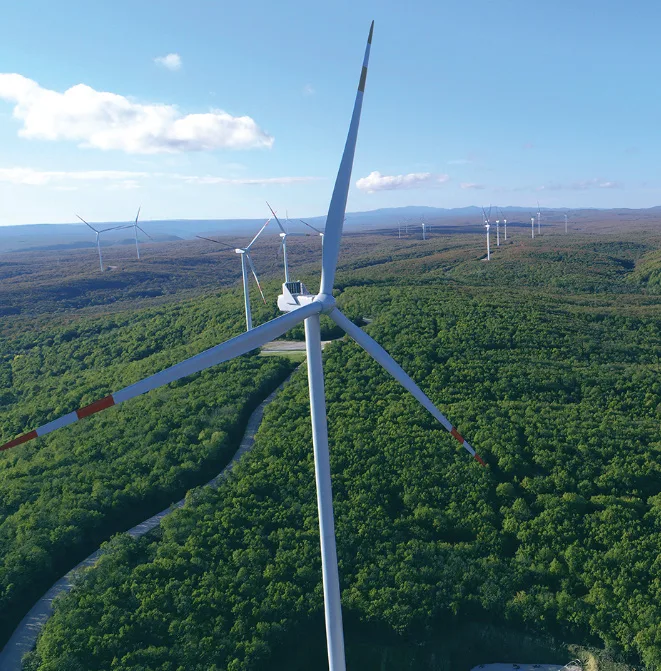
Libya's renewable plans include wind as well as solar. Wind projects bring their own requirements: wind resource measurement, heavy-lift logistics for blades and nacelles, large crane pads and foundations, and access roads that can carry oversized loads. A wind power contractor must plan transport routes and lifting operations in detail before the first turbine arrives.
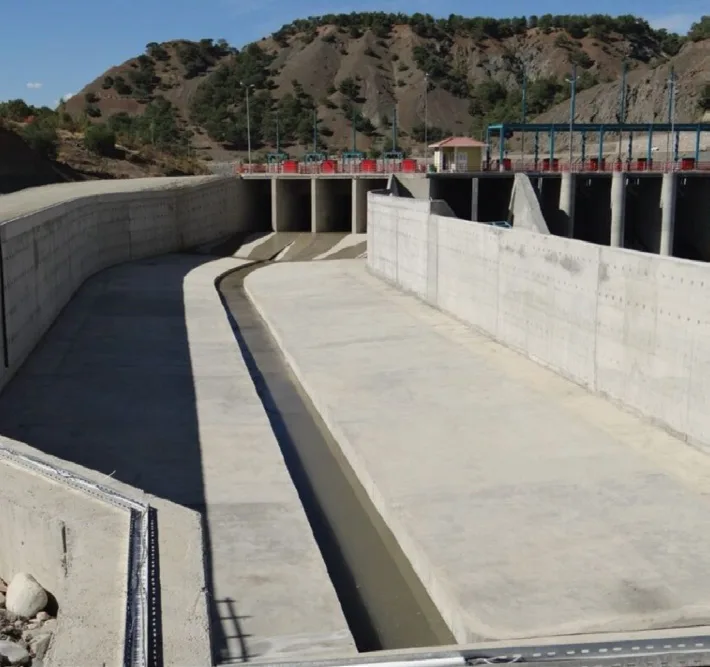
ZALA Global entered the energy sector in 2012 with hydro and wind investments. Its completed projects in Türkiye include the Kıyıköy Wind Power Plant and the İncirli, Saray and Gemciler hydroelectric power plants. As a hydroelectric power plant contractor and wind developer, the group gained experience across the whole lifecycle: development, construction, commissioning and operation of its own assets.
That ownership perspective matters. A contractor that has operated its own plants understands how design decisions made during construction affect availability, maintenance and revenue for years afterwards.
Operation and maintenance
A solar plant's financial performance depends on what happens after commissioning. A sound O&M program includes:
- Remote monitoring of output, availability and alarms.
- Scheduled module cleaning matched to local dust conditions.
- Preventive maintenance of inverters, transformers and switchgear.
- Vegetation, drainage and perimeter maintenance.
- A spare parts strategy that accounts for import lead times.
ZALA's energy capabilities include operation, maintenance coordination, performance monitoring and long-term asset management of power plants.
Choosing a solar power plant contractor in Libya
When evaluating bidders for a solar or wind project, owners and lenders typically focus on a short list of questions:
- Does the contractor have experience operating renewable assets, not only building them?
- Is the energy yield assessment independent and based on site-specific data?
- Are module, inverter and transformer suppliers bankable and able to deliver to Libya on schedule?
- Does the design account for local temperature, dust and ground conditions?
- Is there a realistic plan for workforce support at a remote site?
- What performance guarantees and O&M commitments are offered after commissioning?
ZALA Global develops, builds and operates energy assets, with its energy activities focused on solar, wind and hydroelectric power generation. It combines that experience with an international construction record across Türkiye, the Gulf, Central Asia and Africa, and with a regional office in Benghazi. For owners and investors, that means one partner that can coordinate development, EPC delivery, site support and long-term operation.
Frequently asked questions
Who regulates renewable energy projects in Libya?
The Renewable Energy Authority of Libya (REAOL), established in 2007, leads the development of renewable energy projects. Grid connection and power offtake involve the General Electricity Company of Libya (GECOL).
What does a solar EPC contractor in Libya deliver?
Engineering, procurement of equipment, civil and electrical construction, grid connection and commissioning, usually under a single contract with guaranteed completion and performance.
What are the main technical risks for solar plants in Libya?
Heat, dust and sand, ground conditions and the remoteness of many sites. Each affects design, construction and long-term operating cost, and should be addressed during engineering.
Is wind energy also part of Libya's plans?
Yes. Projects presented by REAOL to international investors in 2025 included both solar and wind capacity.
Plan your renewable project
If you are developing solar or wind capacity in Libya and need a partner for EPC delivery and long-term operation, contact ZALA Global to discuss your project.
Work with us
Planning a project? Talk to our team.
Related articles
Power Plant Construction in Libya: Delivery, EPC and Long-Term Operation
How power plant construction in Libya is planned and delivered, from grid context and EPC structure to commissioning and long-term operation and maintenance.
Construction Project Management in Libya: How to Keep Complex Projects on Schedule
A practical look at construction project management in Libya, from early planning and procurement to site controls, quality, safety and handover.
EPC Contractor in Libya: How Engineering, Procurement and Construction Work Together
A practical guide to EPC contracting in Libya: what single-point responsibility covers, where the risks sit, and what owners should ask before awarding an EPC contract.