
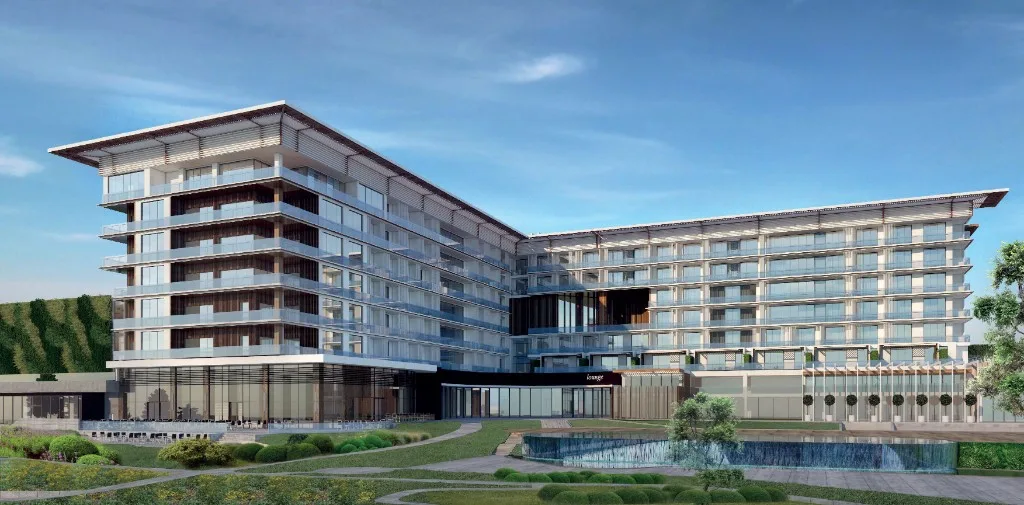
Hotel Construction Company in Libya: From Concept to Opening Day
How hotels in Libya are taken from concept to opening day, and why owners benefit from a partner that builds and operates hotels.
A hotel is one of the most demanding buildings an owner can commission. It combines the structural and MEP complexity of a commercial tower with the finish quality of a residence and the operational requirements of a small town. A hotel construction company in Libya has to deliver all three, on time, to the standard an international brand or a discerning guest expects.
Libya has the ingredients for hospitality demand: major business centers in Tripoli and Benghazi, a long Mediterranean coastline, and UNESCO World Heritage sites such as Leptis Magna, Sabratha and Cyrene. The World Bank has also emphasized that diversifying Libya's economy away from hydrocarbons depends on private sector-led growth, and hospitality is one of the sectors where private investment can play a role.
This article sets out how a hotel project moves from concept to opening day, what owners should expect from a hotel contractor in Libya, and why construction and operations should be planned together.
Why hotels are different from other buildings
Hotels fail commercially for reasons that are often decided during design and construction. A few examples:
- Room count and mix determine revenue potential, and are hard to change once the structure is up.
- Back-of-house design (kitchens, laundry, storage, staff areas, service corridors) drives operating cost for decades.
- MEP systems for air conditioning, hot water, fire protection and building management must work reliably at full occupancy.
- Acoustic separation, finishes and fit-out shape guest reviews more than the facade does.
- Brand standards, where an international operator is involved, set detailed technical requirements that must be built into the design from the start.
This is why owners increasingly look for a hotel development company in Libya that understands both construction and operation, rather than a builder that hands over keys and leaves.
The hotel development lifecycle
A well-run project follows a clear sequence. Each stage reduces risk for the next.
1. Concept and feasibility
Market positioning, target segment, room count, facilities and budget are tested against realistic demand and cost assumptions. A hotel developer in Libya should also consider site access, utilities and parking at this stage.
2. Brand positioning and operator alignment
If the hotel will carry an international brand, the operator's technical standards need to be agreed before detailed design. Branded hotel concepts require early coordination on room sizes, public areas, life safety and back-of-house layouts.
3. Design coordination
Architecture, structure, MEP, interior design, kitchen and laundry consultants and specialist lighting and acoustic designers all contribute. Coordinating them into a single buildable design is a core task of the hospitality development company leading the project.
4. Construction and fit-out
Turnkey hotel construction in Libya places design coordination, procurement, construction, fit-out, furniture and equipment installation, testing and commissioning under one accountable party. Long-lead items, such as elevators, kitchen equipment, chillers and imported finishes, must be ordered early. Read more in our guide to turnkey building construction in Libya.
5. Pre-opening
Hotel pre-opening services bridge the gap between a finished building and a working hotel: recruitment and training, operating procedures, systems setup, supplier contracts, mock-up and test rooms, and soft opening.
6. Operation and asset management
After opening, the focus shifts to hospitality operations and hotel asset management. Hospitality operations in Libya rely on the same disciplines as anywhere else: guest experience, revenue management, maintenance planning and capital expenditure over the life of the building.
Building for local conditions in Libya
Hotel projects in Libya face the same practical issues as other construction projects in the country, and some that are specific to hospitality.
- Utilities resilience. Hotels need reliable power and water around the clock. Standby generation, water storage and treatment should be sized for full operation, not only for emergencies.
- Climate. Heat and humidity on the coast affect façade design, glazing, insulation and HVAC sizing.
- Imported materials and equipment. Many finishes, fittings and hotel systems are imported, so procurement planning drives the schedule.
- Workforce and skills. Construction and operations both depend on trained staff. Training plans should start well before opening.
Hospitality projects may also form part of wider development and recovery programs. The September 2023 floods in eastern Libya damaged housing, transport, water and cultural heritage across several municipalities, according to a joint World Bank, EU and UN assessment, and recovery programs in those areas create demand for new buildings of every type.
What to look for in a hotel construction company in Libya
Owners selecting a partner should test each candidate against a few practical criteria:
- Hotel-specific references. Completed hotels, ideally to international brand standards, rather than general building experience.
- Operational understanding. Experience running hotels, so that design and construction decisions reflect how the building will actually be used.
- Fit-out capability. The ability to manage high-quality interior fit-out, furniture, fixtures and equipment in parallel with MEP commissioning.
- Pre-opening support. A clear plan for the handover period between practical completion and the first guest.
- Local presence. An established base in Libya to manage approvals, suppliers and site logistics.
ZALA Global's hotel construction and operations experience
ZALA Global develops, builds and operates hospitality and real estate projects. Its experience covers the full lifecycle described above, from concept and feasibility to construction, opening and long-term operation. Representative projects include:
- The Sheraton Grand Hotel in Adana, Türkiye: a 247-room, 17-storey five-star hotel with convention halls, ballrooms, restaurants and indoor and outdoor pools, built on 326 bored piles and operated by the group under the Sheraton brand.
- The five-star hotel in Kyrenia, Cyprus: an ongoing 250-room development on a 65,000 m² site, described as the first global chain hotel in Cyprus.
- The Four Points by Sheraton in Williston, North Dakota: a completed 102-room full-service hotel.
- The Alaçatı hotel and residence development in Türkiye, combining 84 hotel rooms with 100 residences.
- The Aleppo Hotel Development in Syria: an end-to-end project covering design, construction and pre-opening coordination.
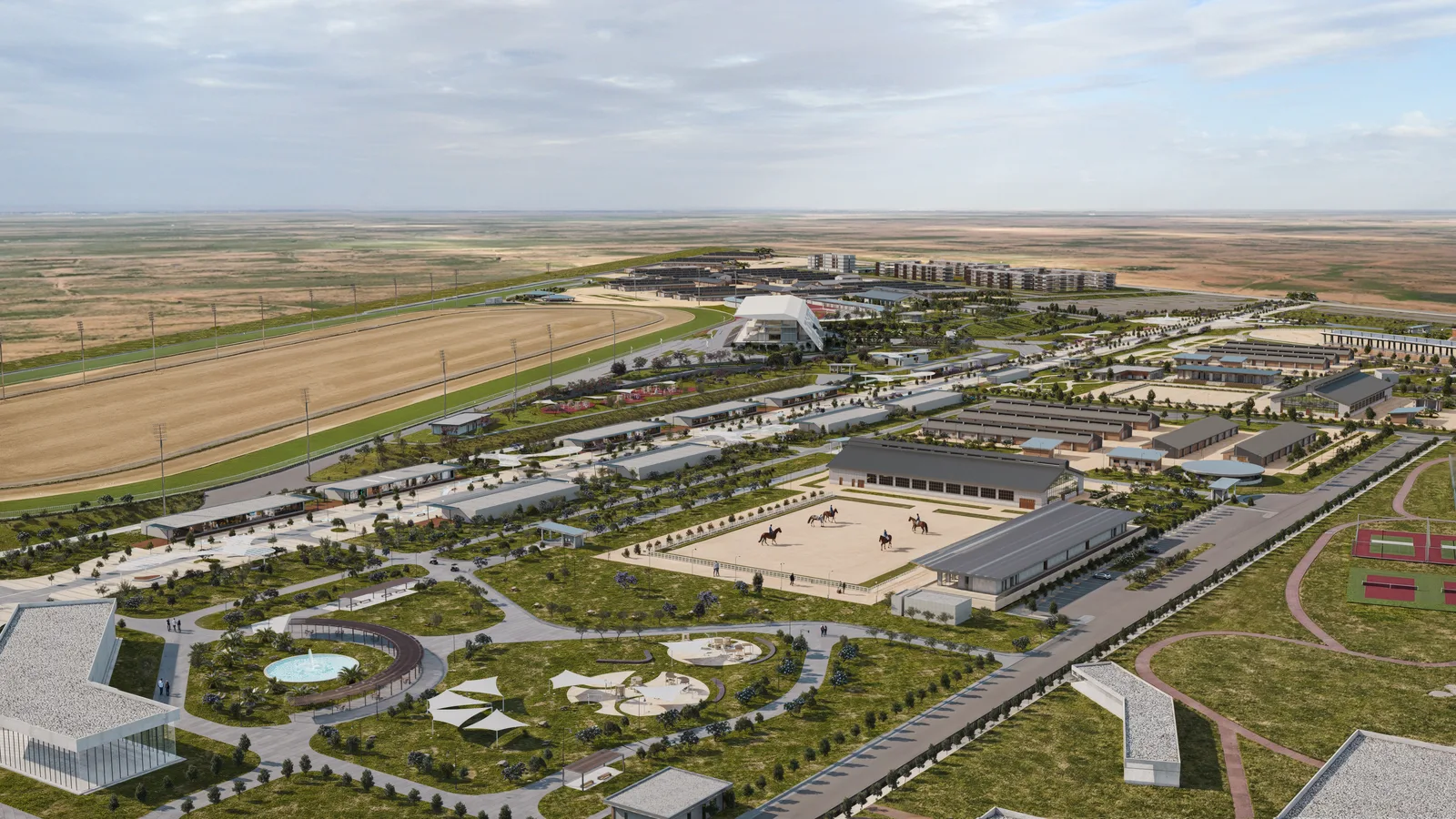
In Libya, ZALA has a regional office in Benghazi and is delivering the Benghazi Hippodrome Project, a large equestrian and mixed-use development whose program includes a hotel alongside racing, leisure, retail and public facilities.
Because the group operates hotels as well as building them, it brings the perspective of a hotel operations company to design and construction decisions. Its hospitality and real estate capabilities include hotel development, branded hotel concepts, hospitality operations, pre-opening coordination and hotel management support.
Frequently asked questions
What does turnkey hotel construction in Libya include?
A single contractor takes responsibility for design coordination, procurement, construction, fit-out, installation of furniture and equipment, testing and commissioning, and handover of a hotel ready for pre-opening.
When should a hotel operator be involved?
As early as possible, ideally before detailed design. Operator standards affect room sizes, back-of-house areas, MEP systems and life safety, and late changes are costly.
What are hotel pre-opening services?
Pre-opening covers everything needed to turn a completed building into a functioning hotel: staffing, training, procedures, systems, supplier contracts and a soft opening period.
Can the same company build and manage a hotel in Libya?
Yes. Owners seeking a hotel management company in Libya can benefit from a partner that also built the asset, as construction knowledge carries directly into maintenance and operations.
Start your hotel project
If you are planning a hotel or hospitality-led development in Libya, contact ZALA Global to discuss feasibility, construction and operation.
Work with us
Planning a project? Talk to our team.
Related articles
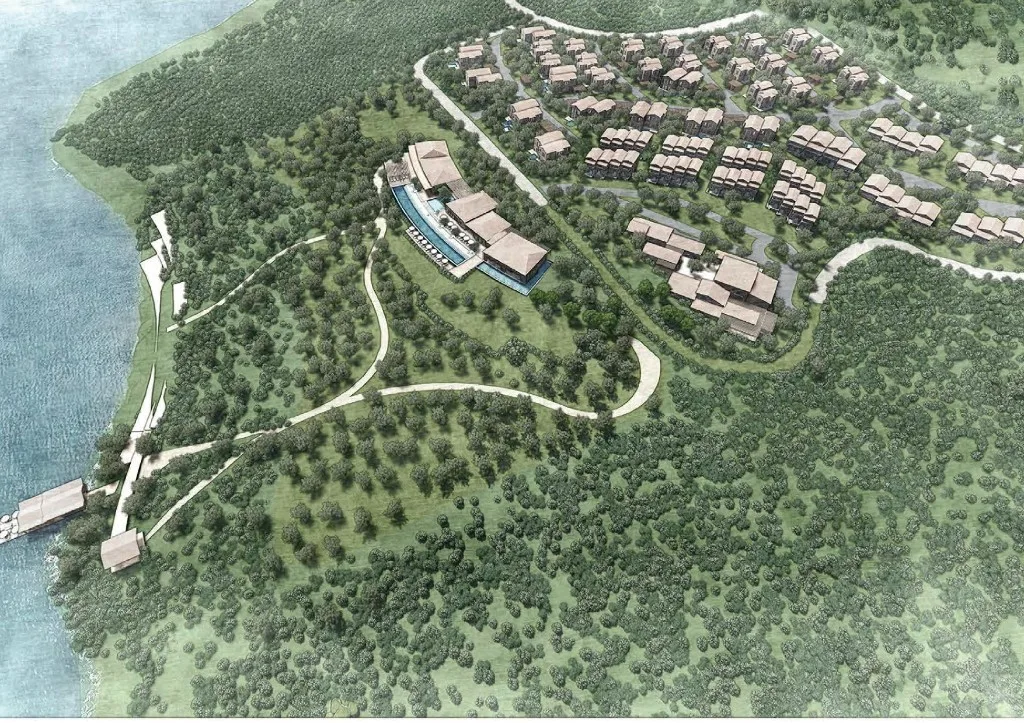
Real Estate Development Company in Libya: Residential, Mixed-Use and Serviced Living
What investors and landowners should expect from a real estate development company in Libya, from feasibility and land due diligence to residential, mixed-use and serviced residence delivery.
Construction Project Management in Libya: How to Keep Complex Projects on Schedule
A practical look at construction project management in Libya, from early planning and procurement to site controls, quality, safety and handover.
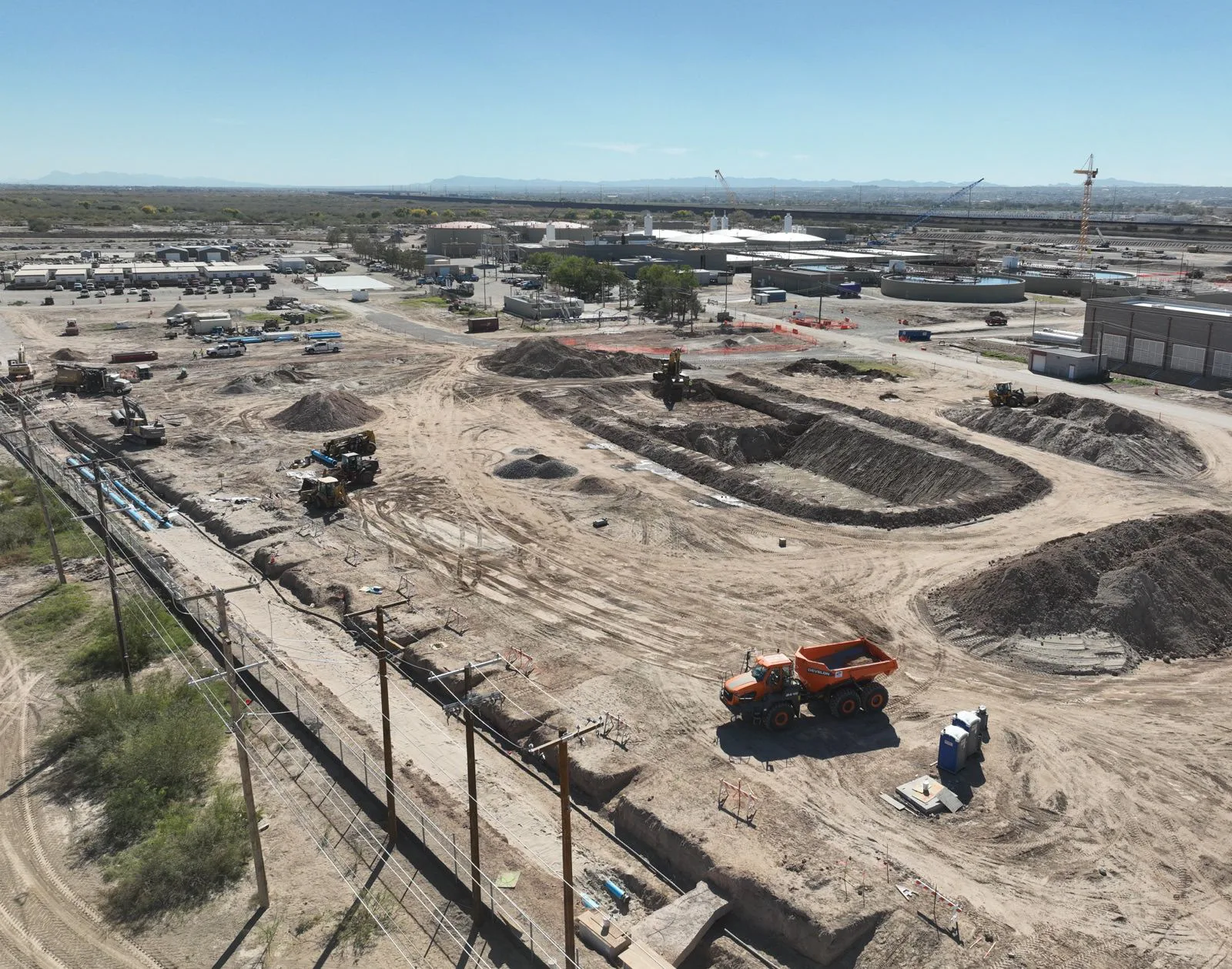
EPC Contractor in Libya: How Engineering, Procurement and Construction Work Together
A practical guide to EPC contracting in Libya: what single-point responsibility covers, where the risks sit, and what owners should ask before awarding an EPC contract.